Hi, I’m Claire. Let’s talk about the elephant on the roof.
We all want to go green. We all hate paying rising electricity bills. But let’s be honest: traditional solar panels are… well, they’re ugly.
For years, homeowners faced a tough choice: slap big, bulky blue rectangles onto their beautiful architectural shingles and ruin the curb appeal, or keep paying the utility company.
Then came the promise of Solar Roof Shingles.
They sounded like a dream: a roof that looks like a roof but acts like a power plant. Tesla made them famous. GAF made them installable. But now, in 2026, with inflation, changing interest rates, and evolving technology, the big question remains:
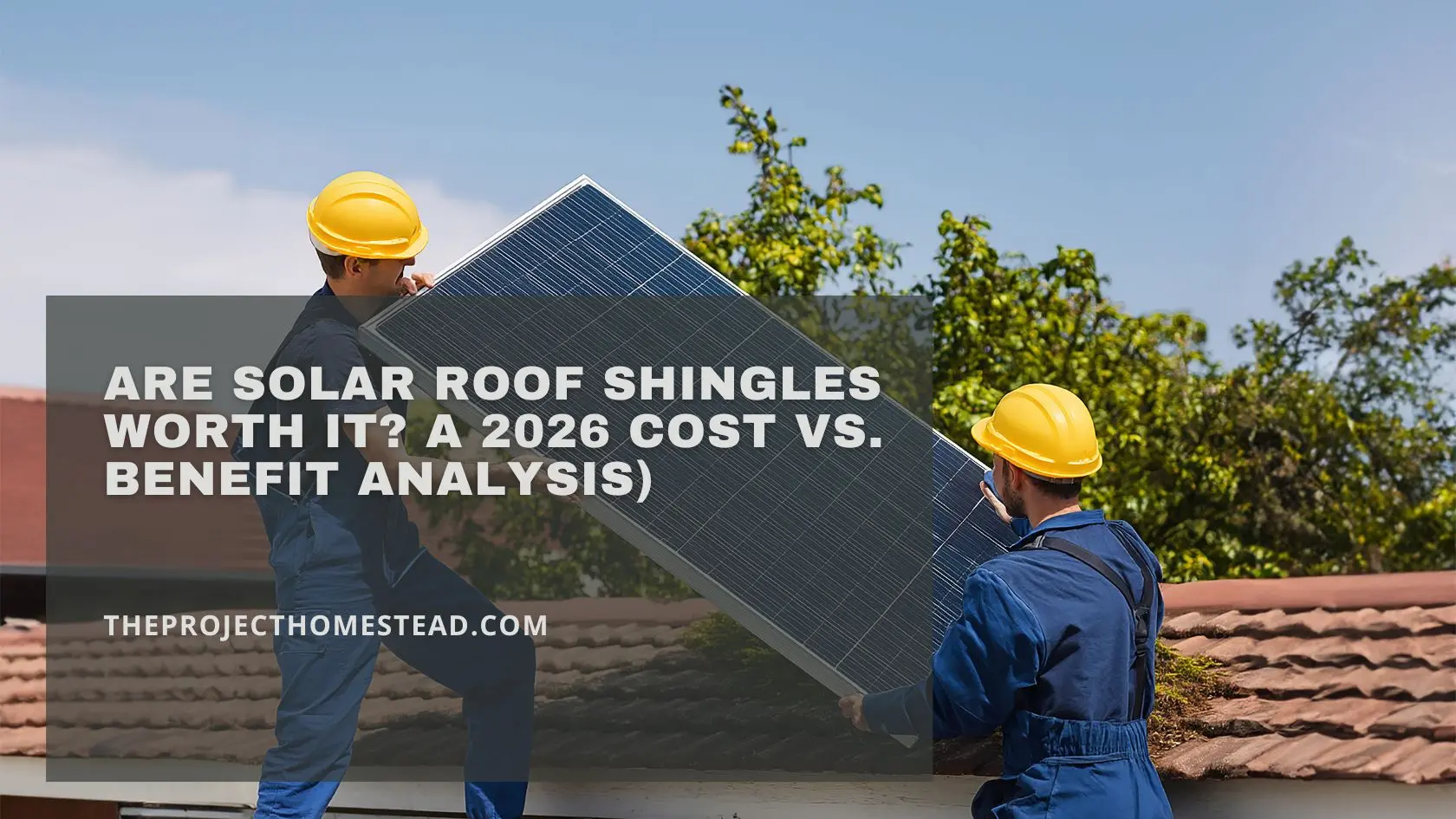
Are solar roof shingles worth the investment in 2026?
The answer isn’t a simple yes or no. It depends entirely on the state of your current roof.
In this comprehensive guide, we are going to strip away the marketing hype. We will look at the real costs, compare the leading brands (Tesla vs. GAF), crunch the ROI numbers, and help you decide if this luxury upgrade is a smart financial move or just an expensive toy.
What Exactly Are Solar Roof Shingles?
Before we talk money, let’s define the tech. Solar shingles (or solar tiles) are a form of Building-Integrated Photovoltaics (BIPV).
Unlike traditional panels, which are racked on top of your existing roof, solar shingles are the roof. They protect your home from rain, wind, and hail just like asphalt or slate, while simultaneously generating electricity.
The Two Main Players in 2026
While there are several brands, the market is dominated by two different approaches:
-
Tesla Solar Roof: These are premium glass tiles. They replace your entire roof deck materials. They look stunning—sleek, modern, and virtually indistinguishable from high-end slate or glass.
-
The Vibe: Luxury, Apple-store aesthetic.
-
-
GAF Energy (Timberline Solar™): These are “nailable” solar shingles. They integrate directly with standard asphalt shingles. A roofer installs them with a nail gun, just like a regular roof.
-
The Vibe: Practical, integrated, and faster to install.
-
The Cost Breakdown: Shingles vs. Panels
This is where most people get sticker shock. Solar shingles are a premium product.
To determine if they are worth it, you cannot just compare them to the cost of solar panels. You must compare them to the cost of a New Roof + Solar Panels.
Let’s look at the estimated costs for a standard 2,500 sq. ft. home with a 10kW solar system in 2026.
Scenario A: Traditional Solar Panels
-
New Asphalt Shingle Roof: $15,000 – $20,000
-
Standard Solar Panel System (10kW): $25,000 – $30,000
-
Total Investment: $40,000 – $50,000
Scenario B: Solar Roof Shingles (GAF Timberline)
-
Total Installed Cost (Roof + Solar): $55,000 – $70,000
-
Premium over Scenario A: Approx. +30%
Scenario C: Tesla Solar Roof
-
Total Installed Cost (Roof + Solar): $80,000 – $120,000+
-
Premium over Scenario A: Approx. +100% to 150%
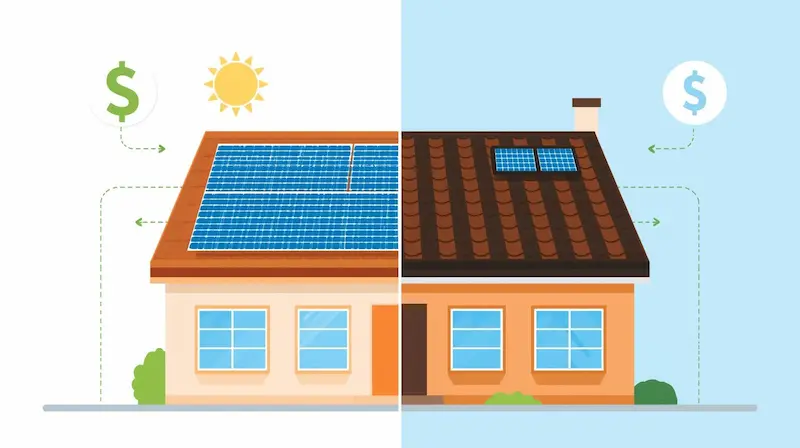
The Financial Reality: If you already have a perfectly good roof with 15 years of life left, ripping it off to install solar shingles is financially insane. It is not worth it.
However, if you need a new roof anyway (Scenario A vs. Scenario B), the gap narrows significantly. You are paying a premium of perhaps $15,000 – $20,000 for the aesthetics of the shingles.
The “Worth It” Math: ROI and Payback Period
Now, let’s talk about getting that money back.
1. The Federal Solar Tax Credit (ITC)
The good news is that the 30% Federal Investment Tax Credit (ITC) is still in effect for 2026.
-
This applies to the solar portion of the roof materials and labor.
-
Note: You usually cannot claim the 30% credit on the entire cost of the roof deck, only the active solar tiles and related components. Consult a tax pro, but this significantly knocks down the price.
2. Energy Savings
Just like panels, shingles generate free electricity.
-
Average Monthly Bill Savings: $150 – $250
-
Annual Savings: $1,800 – $3,000
3. The Payback Period
-
Traditional Panels: Typically pay for themselves in 6-9 years.
-
Solar Shingles: Typically pay for themselves in 12-18 years.
Is that “worth it”? If you plan to stay in your “forever home” for 20+ years, yes. The roof will eventually pay for itself and then generate pure profit. If you plan to move in 5 years, you will likely not recoup the full investment through energy savings alone.
The Hidden Factors: Efficiency and Durability
Cost isn’t the only metric. How do they actually perform?
Efficiency: The “Heat” Problem
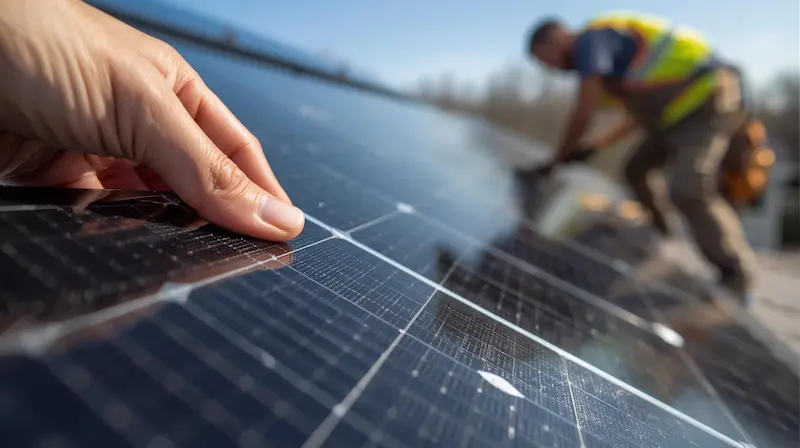
Solar panels perform best when they are cool. Traditional panels are mounted on racks a few inches above the roof. This allows air to flow underneath and cool them down.
Solar shingles are nailed flat against the roof deck. They get hot.
-
The Result: Solar shingles are generally 10-15% less efficient than traditional panels with the same wattage rating. You might need a larger surface area of shingles to generate the same power as a smaller array of panels.
Durability: The “Hail” Factor
This is where shingles often win.
-
Tesla Tiles: Made of tempered glass. They are incredibly tough—often rated Class 3 or Class 4 for impact resistance. They can withstand hail that would destroy a clay tile or asphalt shingle roof.
-
Wind Rating: Because there are no racks for the wind to get under, solar shingles have superior wind uplift resistance. They are aerodynamic.
Pros and Cons: The 2026 Summary
Let’s simplify this decision.
Pros of Solar Shingles
-
Aesthetics: They are beautiful. They increase curb appeal and comply with strict HOA (Homeowners Association) rules that might ban “ugly” panels.
-
Durability: High wind and impact ratings.
-
Warranty: Brands like GAF offer excellent “one-throat-to-choke” warranties covering both the roof leaks and the solar power.
-
Home Value: A sleek solar roof adds more resale value than a clunky panel array.
Cons of Solar Shingles
-
Cost: Significantly higher upfront price.
-
Lower Efficiency: Less power per square inch due to heat buildup.
-
Complex Installation: Requires specialized, certified installers. You can’t just hire “Bob the Roofer.”
-
Repair Difficulty: If one shingle fails, diagnosing and swapping it out can be more labor-intensive than swapping a panel.
The Final Verdict: Who Should Buy This?
After crunching the 2026 numbers, here is my advice.
You SHOULD buy Solar Roof Shingles if:
-
You need a new roof RIGHT NOW. (This is the most critical factor).
-
You have a high budget. You are willing to pay a premium for aesthetics.
-
You live in an HOA that restricts traditional panels.
-
You have a complex roof line where big rectangular panels wouldn’t fit or would look terrible.
-
You plan to stay in the home for 15+ years.
You should STICK TO Traditional Panels if:
-
Your roof is in good condition (less than 10 years old).
-
ROI is your #1 priority. Panels offer a faster financial return.
-
You have a flat roof or a roof that isn’t visible from the street (why pay for looks no one sees?).
-
You have limited roof space. You need the higher efficiency of high-end panels to maximize power.
Conclusion
Are solar roof shingles worth the investment in 2026? From a purely financial calculator standpoint, traditional panels still win. They are cheaper and more efficient.
But our homes aren’t just calculators. They are where we live. Solar shingles offer a way to generate your own clean energy without compromising the beauty of your home. It is a luxury product that has finally become functional.
If you are facing a roof replacement this year, I urge you to get a quote for both. You might find that the “Tesla premium” is too high, but the “GAF Timberline” option is surprisingly within reach.
Go green, but do it with your eyes on the budget.